
Payer Contract Negotiation Services for U.S. Practices

Xperts5 shows you what each payer actually pays you against the Medicare fee schedule, builds the case for a higher rate on the codes you bill most, and tracks renewal windows so contracts stop rolling over untouched.

Get a Free Practice Operations Audit

Service at a glance

Pricing
Per payer reviewed, or project-based
Start
Fee schedule analysis within 3 to 4 weeks of receiving your contracts
Scope
Review, benchmarking, negotiation support and renewal tracking
Reporting
Rate comparison by payer and by top CPT code
Fits
Practices that have not reviewed a contract in two years or more
Get a Free Fee Schedule ReviewTakes less than a minute

No patient information needed.

The basics

What is payer contract negotiation?

Payer contract negotiation is the process of reviewing what an insurance company has agreed to pay a practice, comparing it against a benchmark such as the Medicare Physician Fee Schedule, and asking for better terms with evidence behind the ask. It also covers the clauses around the rate: notice periods, timely filing limits and how amendments take effect.

Most practices sign a contract once, when they have the least leverage, and never look at it again. The contract auto-renews each year at the same rate while costs rise. Amendment letters arrive and get filed. Xperts5 reads what you actually signed, works out what it is paying you per code, and tells you which contract is worth opening and which one is not worth the fight.

Person signing a contract document

What's included

What our payer contracting services include

Find out what you are actually paid

Rates only mean something next to a benchmark. We convert each payer's allowed amounts into a percentage of the Medicare fee schedule for the codes you bill most, so you can see at a glance which payer is the outlier.

  • Allowed amounts pulled per payer and per CPT code
  • Benchmarked against the Medicare Physician Fee Schedule
  • Ranked by the codes that carry your volume, not your whole schedule
  • Underpayments against the contracted rate flagged separately

Calculator on top of a stack of billing paperwork

Build the case before you ask

A request for more money without data gets a form letter back. We put together what a payer network manager needs in order to say yes: your volume, your case mix, your quality position and what their competitors are paying you for the same work.

  • Volume and case mix summary by payer
  • Rate comparison against your other contracts
  • Specialty and access arguments relevant to that market
  • Draft request letter and talking points for the call
Analyst reviewing charts and reports on a laptop

Never miss the window again

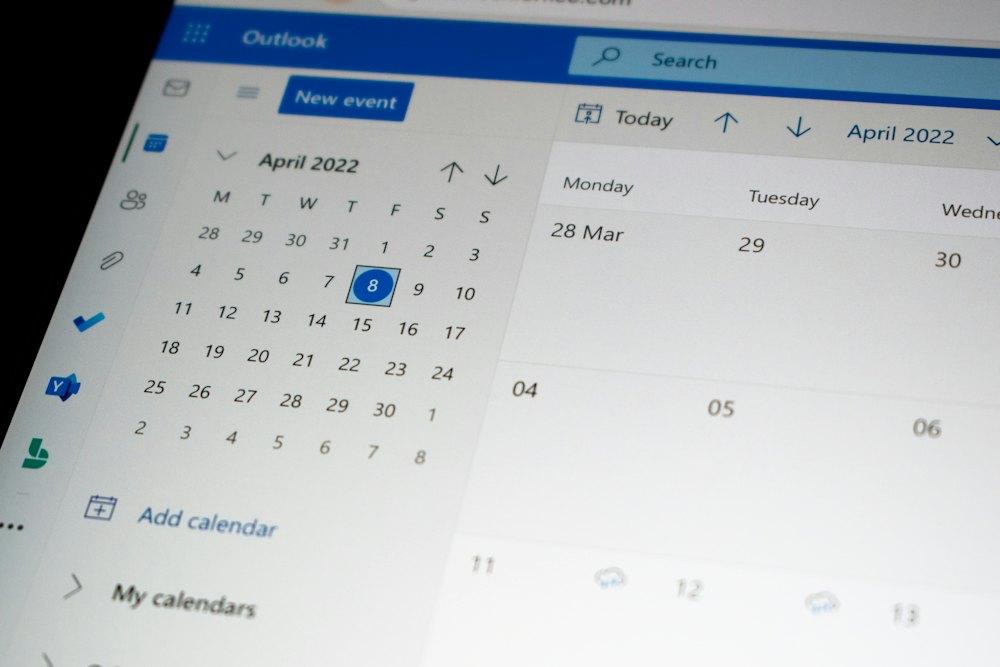
Most contracts renew automatically unless notice is given inside a set period, which is usually months ahead of the renewal date. Miss it and you wait another year. We keep the calendar and flag each window before it closes.

  • Renewal and notice dates tracked per contract
  • Amendment notices reviewed when they arrive, not when they bite
  • Timely filing limits and claim appeal windows logged
  • A single sheet showing every payer, rate position and next date
Scheduling calendar open on a computer screen

Comparison

Handling contracts in-house vs Xperts5

Handling contracts in-house vs Xperts5
FactorIn-houseXperts5
Knowing your rate positionA feeling that some payers pay badlyPercentage of Medicare, per payer, per code
Basis for the askA letter asking for moreVolume, case mix and competing rates
Which codes get examinedWhatever someone noticedThe codes carrying your revenue
Amendment lettersFiled and forgottenRead and summarized when they arrive
Notice windowsFound out after the renewalFlagged months ahead
CostNobody's actual jobPer payer reviewed or project based

Who it's for

Signs your practice needs insurance contract negotiation

  • You cannot say what percentage of Medicare your top payers pay you
  • A contract has auto-renewed for years and nobody has reread it
  • You accepted rates when the practice was smaller and never revisited them
  • Amendment letters arrive and go straight into a drawer
  • Two payers pay very differently for the same code and nobody knows why

We support Primary Care, Internal Medicine, Behavioral Health, Cardiology and Endocrinology. Practices that have added providers, locations or services since signing usually have the strongest case, because the contract no longer describes what they bring to the network.

FAQs

Payer contract FAQs

Not sure which contract to open first?

Talk to a specialist+1 (555) 014-2290
How do you negotiate payer contracts?

We start with the data, not the letter. Your allowed amounts are benchmarked against Medicare by code, the weakest contracts are identified, and a case is built from your volume, case mix and competing rates. Then we draft the request and prepare you for the conversation with the network manager.

Will a payer actually increase our rates?

Sometimes, and not always. It depends on your volume, your specialty, how much the network needs you in that area and when your notice window falls. We will tell you which contracts have a realistic case and which ones do not before you spend time on them.

What is a fee schedule analysis?

It converts each payer's allowed amounts into a percentage of the Medicare Physician Fee Schedule for the codes you bill most. That single number makes contracts comparable, so you can see which payer sits below the rest and how much that gap is costing across your actual volume.

When is the right time to renegotiate?

Before the notice window closes, which is usually several months ahead of the renewal date. The other good moments are after you add providers, open a location or start offering a service the network is short of, because all three change what you are worth to that payer.

Send us your top three payer contracts and a year of CPT volumes. We will tell you what each one pays against Medicare and which is worth opening first.

Get a Free Practice Operations Audit