
Principal Care Management Services for U.S. Practices

Xperts5 runs principal care management for practices whose patients are driven by one serious condition rather than a long problem list. We identify them, enroll them, do the monthly work and log the time against the condition you are actually managing.

Get a Free Care Management Audit

Service at a glance

Pricing
Per enrolled patient, per month
Start
Panel screening in 2 to 3 weeks, enrollment calls from week 4
Scope
PCM physician and clinical staff time, billed monthly
Reporting
Enrolled list, time logged per patient, claims-ready summary each month
Fits
Specialty practices, and primary care patients whose care is driven by one condition
Get a Free PCM Eligibility ScreenTakes less than a minute

No patient information needed.

The basics

What is principal care management?

Principal care management is a Medicare program for patients whose care is dominated by one serious chronic condition, rather than by several at once. The practice keeps a disease-specific care plan, coordinates the patient's treatment for that condition and spends time on them each month, billed under the PCM codes.

It exists because CCM never fitted a large group of patients. A cardiology practice managing one patient's heart failure, or an endocrinology practice managing brittle diabetes, is doing exactly the work Medicare wants to pay for, and the patient still has only one qualifying condition. Xperts5 runs outsourced principal care management as a monthly cycle so that work gets captured instead of absorbed.

Patient checking blood glucose with a meter

What's included

What our principal care management services include

Finding the patients one condition is driving

These patients are easy to recognize once you look for them. They are the ones whose visits, calls and admissions all trace back to the same diagnosis. We screen the panel against the principal care management requirements and rank by who is actually at risk.

  • Panel screened for a single high-risk condition expected to last at least three months
  • Recent admissions, exacerbations and medication changes weighted in the ranking
  • Enrollment calls made and consent documented
  • Patients already enrolled in a care program elsewhere flagged before you call them

Physician consulting with a patient in her office

The monthly work, logged against the condition

PCM turns on how much time is spent and who spent it, with physician time and clinical staff time billed under different codes. Our team records both as the work happens and keeps them separate, which is where most in-house logging falls apart.

  • Monthly outreach focused on the one condition, not a general check-in
  • Medication regimen changes tracked between visits
  • Physician and clinical staff time logged separately, per interaction
  • Escalation to your clinicians the moment something looks like it is turning
Clinician checking a patient's blood pressure

A disease-specific care plan, kept current

PCM does not ask for a comprehensive care plan covering everything. It asks for one built around the condition being managed, which has to show adjustment over time. A plan that never changes is the clearest sign to a reviewer that nobody was managing anything.

  • Condition-specific care plan written and stored in your EHR
  • Updated as the regimen or the patient's status changes
  • Coordination with the other clinicians treating the same condition
  • Monthly claims-ready summary handed to your billing team
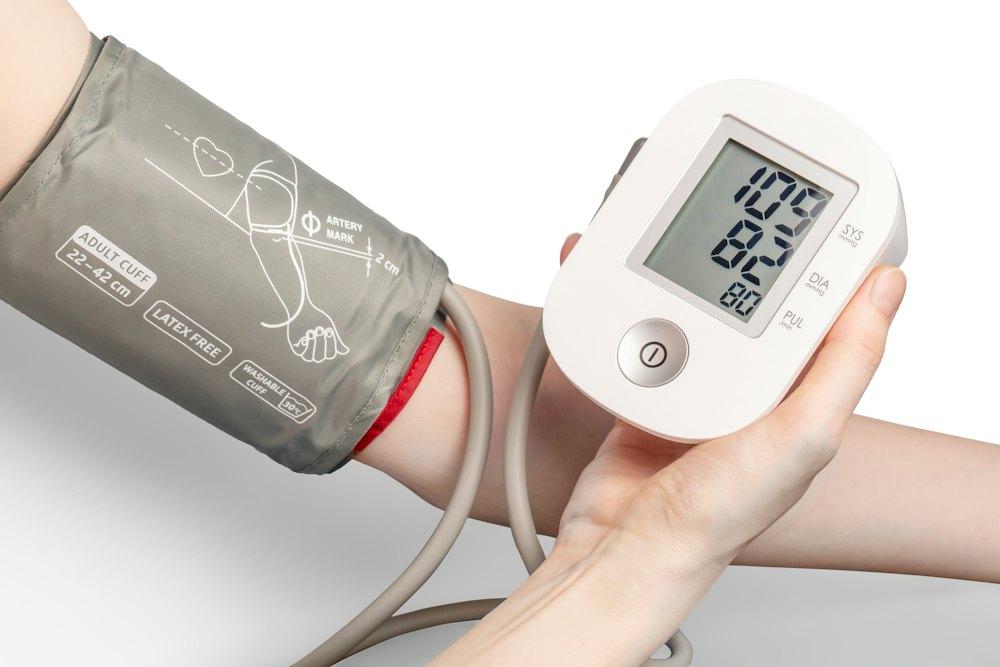
Patient using a digital blood pressure monitor

Comparison

CCM vs PCM: which program fits your patients?

CCM vs PCM: which program fits your patients?
FactorCCMPCM
Conditions neededTwo or more chronic conditionsOne serious condition
Care planComprehensive, covering the whole patientBuilt around the one condition
Typical practicePrimary care and internal medicineSpecialty practices, and primary care in single-condition cases
Focus of the monthly workCoordination across several problemsManaging and adjusting one disease
Who usually bills itThe practice managing the whole patientThe practice managing that condition
Common reason it is missedEnrollment stallsNobody realized the patient qualified at all

Who it's for

Signs your practice should be billing PCM

  • One condition drives most of a patient's visits, calls and admissions
  • You are a specialty practice and CCM never fitted your patients
  • Patients come back after an exacerbation with nobody managing the follow-through
  • Medication regimens get adjusted often, but that time is never captured
  • You looked at care management once, found most patients had a single condition, and stopped there

We support Primary Care, Internal Medicine, Behavioral Health, Cardiology and Endocrinology. Cardiology and endocrinology panels tend to have the highest share of qualifying patients, because one diagnosis is usually doing most of the work.

FAQs

Principal care management FAQs

Not sure whether your patients fit CCM or PCM?

Talk to a specialist+1 (555) 014-2290
What is principal care management?

A Medicare program paying practices monthly to manage one serious chronic condition that is driving a patient's care. It covers a disease-specific care plan, coordination with the patient's other clinicians, and time spent on the condition each month. What is principal care management in short: CCM for the single-condition patient.

Which patients qualify for PCM?

Patients with one complex chronic condition expected to last several months, serious enough to put them at risk of hospitalisation or decline, and needing the kind of ongoing adjustment that does not fit between appointments. Recent admissions and frequent medication changes are the usual signals.

Can a patient be in both CCM and PCM?

Not from the same practitioner in the same month. Different practitioners managing different aspects of a patient's care may be able to bill different programs, so we check what is already on file before enrolling anyone. Rules here are specific, and we confirm each case rather than assuming.

What does PCM require us to document?

Consent, a care plan built around the condition, the time spent each month with physician and clinical staff time recorded separately, and evidence that the plan was adjusted as the patient changed. The principal care management requirements are mostly about showing active management rather than passive monitoring.

Send us your panel. We will tell you which patients fit PCM, which fit CCM, and which fit neither, before you enroll anyone.

Get a Free Care Management Audit